
Learn practical steps for disability advocacy involvement, including community engagement, leadership opportunities, and sustained impact. Understanding disability advocacy and recognizing where it is needed are important first steps. However, preparation alone is not enough. At some point, disability advocacy requires action. Let’s learn how to participate.
Many people support disability rights and inclusion but don’t know what to do. They don’t know how to go from awareness to practical involvement. They recognize barriers in education, transportation, employment, housing, and public services, yet they are unsure where they could be most useful.
Moving from concern to engagement requires both clarity and intention.
The sections that follow outline practical ways individuals can participate in disability advocacy in informed, constructive, and sustainable ways.
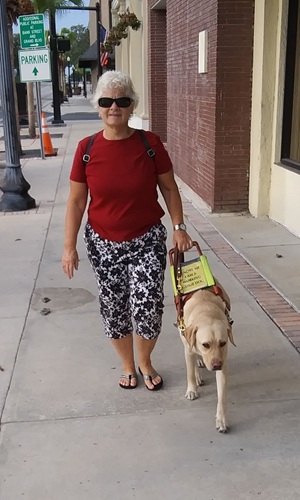
Disability Advocacy Involvement
Many people care deeply about fairness and inclusion but are unsure where to begin advocating for people with disabilities. The good news is that advocacy doesn’t require a title, a law degree, or a formal position. It begins with awareness and a willingness to act. Advocacy is not just for professionals or seasoned leaders. It belongs to everyday people who are willing to pay attention, ask thoughtful questions, and stay engaged when something is not working as it should.
Start by Learning
Understanding disability-related issues and how systems operate is the first step. Before speaking up, take time to learn how the system works. Read about disability rights laws such as the ADA. Understand local policies. Learn how school systems operate, how transportation decisions are made, or how workplace accommodations are processed. Attend public meetings or watch them online. Ask questions and listen carefully to the experiences of others. Knowledge builds confidence, and confidence strengthens credibility. The more informed you are, the more effective your advocacy will be.
Knowledge is power!
Get Connected
Community disability advocacy presents a stronger voice. While one voice matters, collective voices create momentum. Join local or national organizations that align with your values. Attend city council meetings, school board meetings, transportation forums, or disability advocacy events. Introduce yourself. Ask how you can help. Being connected not only expands your influence, it also provides support and encouragement. Advocacy can be challenging at times, and community helps sustain long-term involvement.
There is Power in Numbers!
Speak Up
At some point, learning and observing must turn into action. You will have gained the confidence to say something. Speaking up does not always mean standing at a podium. It can be as simple as asking why something is done a certain way or respectfully pointing out a barrier that others may not see. Share your experience. Offer constructive solutions. Keep your communication clear and focused on improvement rather than accusation. Effective advocacy is rarely about confrontation but about clarity, persistence, and a genuine desire to improve outcomes for everyone.
See Something, Say Something!
Serve Where You Can
Look for opportunities to serve on boards, committees, or advisory groups. Many cities and counties have commissions related to accessibility, transportation, education, healthcare, or other areas that relate to community disability advocacy. These positions often allow you to influence decisions before barriers become widespread problems. Serving within structured systems requires patience and preparation, but it also provides opportunities to remove barriers; to shape policy at a basic level. Advocacy within these spaces is often quieter, but it can be deeply impactful.
Serving on structured groups is quiet, yet impactful advocacy.
Stay Engaged
Advocacy requires consistency. Follow up on issues. Monitor progress. Revisit policies to ensure implementation matches intention. Continue learning as laws and procedures evolve. Encourage others to get involved. Change doesn’t happen overnight, but consistency creates momentum.
When individuals remain committed beyond the initial conversation, systems begin to shift in meaningful and lasting ways. Sometimes in ways you don’t expect
Consistency is Key!
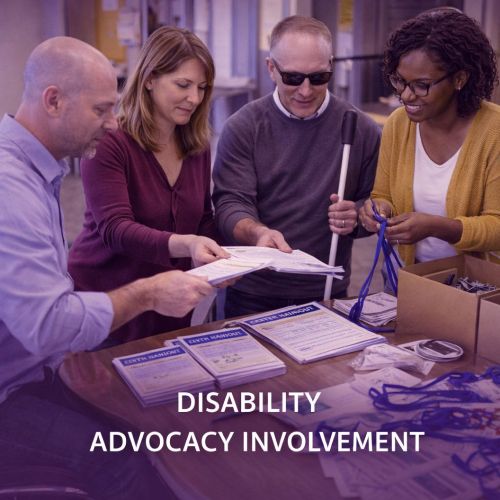
Disability advocacy involvement does not belong to a select few. It belongs to anyone willing to care enough to act. Whether your involvement is local, national, professional, or personal, your voice can influence systems in meaningful ways. The first step is deciding that access, fairness, and dignity are worth your time and attention.
When you care enough to care, you care enough to act!
Challenges and Realities of Disability Advocacy
Disability advocacy involvement is meaningful work, but it is not always easy. Behind every policy discussion, public meeting, or training session is effort, persistence, and sometimes disappointment. Understanding the realities of advocacy helps us set healthy expectations.
Change Is Often Slow
One of the first lessons many advocates learn is that change rarely happens quickly. Policies must move through committees. Budgets must be approved. Procedures must be revised. Even when people agree in principle, implementation can take time. It can be frustrating to know a solution exists and still have to wait for systems to catch up.
Patience isn’t passive. It’s strategic endurance.
Resistance Happens
Not everyone welcomes change right away. Some people resist because they don’t understand disability-related issues. Others resist because change feels stressful and uncomfortable. Advocacy sometimes requires having difficult conversations with people who disagree. Remaining calm, informed, and solution-focused during those moments protects both your credibility and the cause itself.
Pushback is part of the process.
Emotional Fatigue Is Real
Advocacy can be deeply personal, especially when the barriers being addressed affect daily life. There are moments when the work feels heavy. Repeating the same explanations. Addressing the same misunderstandings. Revisiting the same gaps. It is part of sustained engagement.
Emotional fatigue is real; acknowledging it isn’t weakness.
Burnout Is a Risk
Because advocacy often grows out of personal experience, it can be difficult to step back. However, sustainable advocacy requires balance.
- Get plenty of Rest. Make sure you get a good night’s sleep. Advocacy can keep you awake at night with worry. Don’t let it.
- Set appropriate boundaries. Take time away from the hustle and bustle of advocacy. Don’t take calls after a certain hour. Don’t ignore family time. Commit to what you can comfortably accomplish.
- Share leadership with others. Don’t do it all yourself. Delegate. No one person can carry every issue alone.
Healthy advocates recognize when to pause, delegate, or seek support.
Progress Is Not Always Visible
Oftentimes, victories are quiet. Successes aren’t newsworthy. It won’t be on the local news or posted on social media. A policy revision may not make headlines. A training session may prevent future harm without public recognition. A discussion may improve one accessibility feature for one person. But it matters. Most advocacy work happens behind the scenes. The impact may not be immediate or visible, but it’s often quite significant.
Small, quiet successes matter.
Advocacy requires a thick skin. Patience, emotional maturity, and a long-term perspective are required. Keep in mind why the work matters in the first place. Challenges will be there, but so will the slow progress, so will the obvious victories.
When systems improve, even incrementally, the result is greater dignity, access, and opportunities for others.

Final Thoughts
Disability Advocacy involvement is not reserved for experts, politicians, or professionals. It belongs to people who notice disability-related barriers. It belongs to people who are willing to do something about inaccessibility. Disability Advocacy involvement begins with awareness. It grows through courage. It strengthens through persistence.
You do not need a formal title to begin. You need a willingness to learn, to speak up, and to stay the course, even when you meet resistance and progress is slow. Advocacy isn’t easy, but it’s necessary.
If you are willing to pay attention, prepare, and remain steady, you are already capable of being a disability advocate.
Systems do not become more inclusive on their own. They improve because someone chooses to act. Will that someone be you?
Read my other advocacy articles in the series.
Disability Advocacy Skills that Create Change