
Digital Access to Art Galleries and museums is more exciting and accessible than ever! You no longer need plane tickets, long lines, or aching feet to explore world-class art. Thanks to digital platforms, art now comes to you: on your screen, on your schedule, and in ways that support different learning styles and access needs.
Below are some wonderful online art resources that we’re excited to share with you. Whether you love classic masterpieces, modern digital art, or discovering emerging artists, there’s truly something here for everyone.
General Art Galleries and Museums
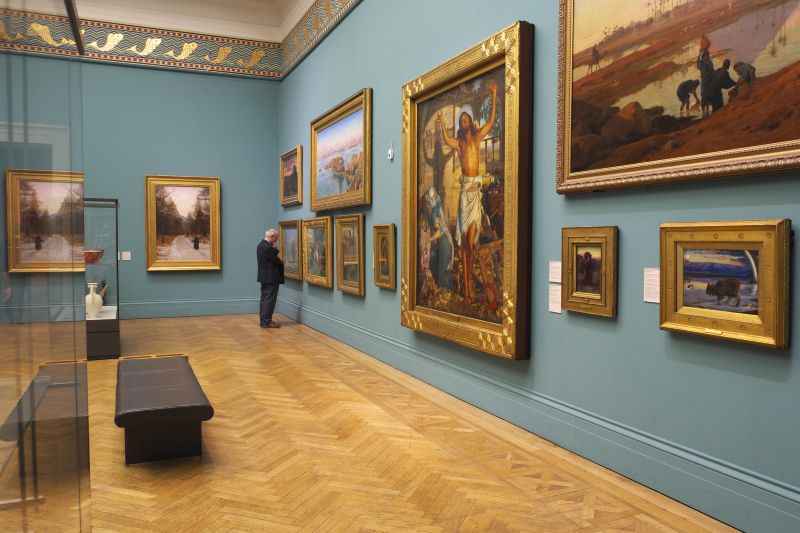
- Google Arts and Culture: This platform is like having a passport to museums around the world, without leaving home. It offers a vast collection of high-resolution images, detailed descriptions, and even virtual tours of famous galleries. You can explore exhibits up close, zoom in on details you might miss in person, and enjoy the experience at your own pace. It’s a great way to “be there” without being there. You can plan your next in-person visit with confidence, knowing what is there in advance.Check out our Travel Page for more information on a great discount program.
- The Metropolitan Museum of Art (The Met) Open Access: The Met’s Open Access collection is a treasure trove. It provides free access to an enormous number of artworks that are in the public domain. You can browse, download, and learn without restrictions, making it an excellent resource for educators, students, artists, and curious minds alike.
- The Louvre Online Collections: Calling this a favorite might be an understatement. The Louvre’s online collection lets you explore famous paintings, sculptures, and artifacts from one of the most iconic museums in the world. And the best part? TDigital access to art has no closing announcements, no crowds, and no getting gently escorted out at the end of the day. You can wander as long as you like.
Creative Platforms for Artists
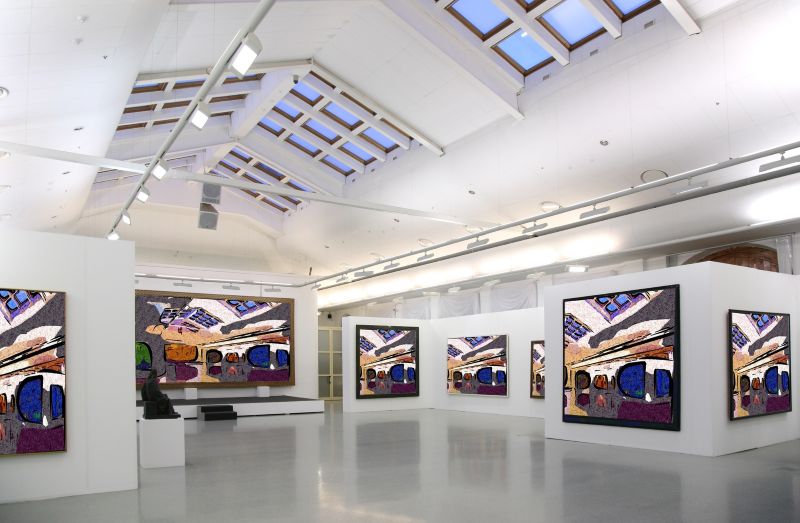
- Behance: Powered by Adobe, Behance showcases polished, professional portfolios in illustration, graphic design, photography, and more. It’s especially inspiring if you enjoy seeing how art and design come together in real-world projects.
- ArtStation: A go-to hub for digital artists, concept artists, and 3D designers. If you love imaginative worlds, character design, or cutting-edge digital creativity, this one is worth exploring.
Art Inspiration and Curation
- Pinterest: A visually driven platform that makes it easy to curate and share collections of artwork. It’s perfect for gathering inspiration, discovering styles you love, and organizing ideas in one place.
- Instagram Art Hashtags and Profiles: This is where hashtags do the heavy lifting. Searching tags like #DigitalArt, #FineArt, #Illustration, or #AbstractArt can introduce you to contemporary artists, especially newer voices that haven’t yet been widely discovered.
- WikiArt: True to the Wiki tradition, this is a comprehensive online encyclopedia of visual art, offering access to everything from classical masterpieces to modern works. It’s informative, easy to navigate, and great for learning as you explore.
Accessibility and the Power of Digital Art
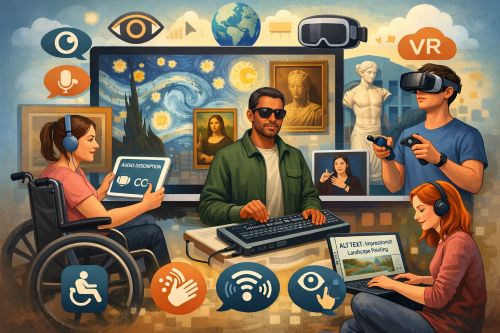
One of the most meaningful shifts in the art world is how digital access is removing barriers. Online galleries often work well with screen readers, offer text descriptions, allow zooming for low-vision users, and provide captions or transcripts for video content. Being able to explore art from home benefits people with mobility limitations, chronic illness, sensory sensitivities, or those who simply need a quieter, more flexible way to engage. Digital platforms also allow people to take breaks, revisit works, and experience art on their own terms, which is a powerful form of inclusion.
How Art Spaces Are Becoming More Accessible Online
Art galleries, museums, and cultural institutions are increasingly embracing digital and online experiences, and that’s a good thing. Virtual exhibits, interactive tours, and online archives mean geography, physical access, and even time constraints matter less than ever before. These digital spaces invite broader participation, amplify diverse voices, and make it possible for more people to experience art as something living and shared not locked behind walls. Accessibility isn’t an afterthought here; it’s becoming part of the design.
We’ve been genuinely impressed by how many avenues now exist for sharing, experiencing, and creating art. With so many platforms and mediums available, artistic expression is becoming more open, more inclusive, and more available to all of us. Now, that’s something worth celebrating!