
When people hear the phrase wine benefits in a gel, the first question is usually, “How does that work?” Red wine has received plenty of attention because grapes contain beneficial plant compounds, including one you may have heard about before: resveratrol. However, you do not have to start drinking wine just because you are interested in the compounds found in grapes.
That is what makes this subject so interesting to me. Resveratrol is found in grape skins as well as foods such as blueberries, cranberries, and peanuts. Researchers have studied it for its antioxidant properties and its possible role in supporting cellular health, circulation, and healthy aging. The research is still developing, so resveratrol is not a miracle ingredient or a treatment for a medical condition. Still, it has an interesting story that deserves more than a short list of possible benefits.
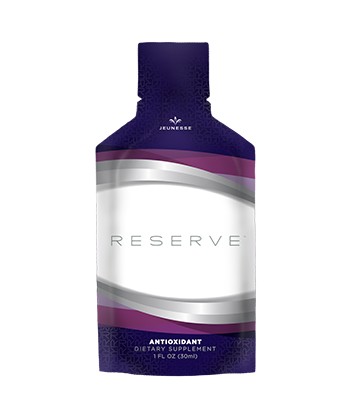
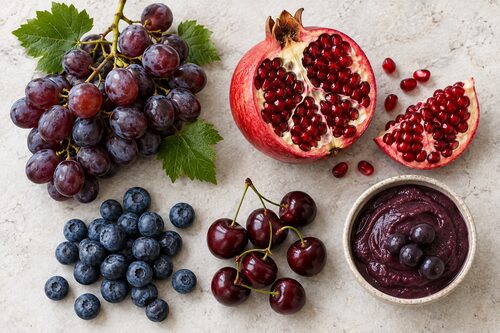
Reserve® combines resveratrol with pomegranate, blueberry, açaí berry, dark cherry, and Concord grape in a convenient gel pouch. Let’s take a closer look at resveratrol, what antioxidants actually do, and how these different fruit ingredients may contribute to overall wellness.
What Gives Red Wine Its Healthy Reputation?
For years, people have heard that an occasional glass of red wine may be good for the heart. Much of that interest comes from the natural plant compounds found in the skins and seeds of grapes.
These compounds are called polyphenols. Plants produce polyphenols for protection, but they can also act as antioxidants when we consume them. Resveratrol is one particular polyphenol that has received a great deal of attention.
However, this does not mean that everyone should begin drinking red wine for better health. Researchers are still working to understand whether the benefits sometimes associated with wine come from resveratrol, the alcohol itself, a person’s overall diet, or other lifestyle habits.
The American Heart Association does not recommend that people begin drinking alcohol for possible health benefits. Alcohol can create serious health risks, especially when consumed excessively. It may also interact with medications or be inappropriate for people with certain medical conditions.
This is why many people are interested in ways to consume grape-derived plant compounds without drinking alcohol.
What Is Resveratrol?
Resveratrol is a naturally occurring compound produced by certain plants. It is found primarily in the skin of red and purple grapes, but grapes are not its only source. Smaller amounts can also be found in blueberries, cranberries, peanuts, pistachios, and some other foods.
Plants do not produce resveratrol for our benefit. They produce it as part of their own defense system. It helps protect them when they experience injury, infection, environmental stress, or other threats.
When we consume resveratrol, it may also provide antioxidant activity inside the body. This has led researchers to study its possible effects on the heart, blood vessels, metabolism, inflammation, brain health, and the natural aging process.
Some laboratory and animal studies have produced promising results. Human studies, however, have been less consistent. Researchers still do not know the ideal amount of resveratrol to consume or whether it produces the same results in everyone.
That does not make resveratrol unimportant. It simply means we should discuss it honestly. Resveratrol is an interesting and widely studied plant compound, but it should not be treated as a cure for heart disease, diabetes, memory loss, or aging.
How Do Antioxidants Protect the Body?
To understand why resveratrol and superfruits receive so much attention, it helps to understand antioxidants.
Our bodies naturally produce unstable molecules called free radicals. We can also encounter them through pollution, cigarette smoke, sunlight, stress, and other environmental sources. Free radicals are not always harmful. They are a normal part of life and even play a role in certain biological processes.
Problems can occur when the body has more free radicals than it can manage. This imbalance is known as oxidative stress. Over time, oxidative stress can damage cells, proteins, and DNA.
Think of it as gradual wear and tear inside the body. Just as weather can slowly affect the outside of a house, oxidative stress can affect cells over time.
Antioxidants help the body manage free radicals. They do not create an invisible shield that prevents every illness, but they are part of the body’s natural defense system. Eating a varied diet with fruits, vegetables, nuts, and other plant foods gives the body access to many different antioxidant compounds.
Resveratrol is one of those compounds, but it does not work alone. That is one reason combining several antioxidant-rich fruits can be so interesting.
Resveratrol and Heart Health
Resveratrol is often connected to heart health because researchers have studied how it may affect blood vessels, inflammation, cholesterol, and circulation.
Some studies suggest that resveratrol may help support the cells lining the blood vessels. These cells play an important role in circulation and cardiovascular function. Researchers have also explored whether resveratrol may influence the oxidation of LDL cholesterol.
You may know LDL as the “bad” cholesterol. The concern is not simply that LDL exists. Our bodies need cholesterol for several important functions. Problems arise when LDL levels become too high or when LDL particles become damaged through oxidation.
Resveratrol’s antioxidant properties are one reason scientists continue studying its possible relationship to cardiovascular health. However, the evidence is not strong enough to say that taking resveratrol will prevent a heart attack, lower cholesterol, or replace heart medication.
A supplement should be viewed as one part of a broader wellness routine. Regular movement, nutritious food, adequate sleep, stress management, and appropriate medical care remain important.
Resveratrol and Healthy Aging
Resveratrol has also attracted attention in healthy-aging research. Scientists have studied how it may interact with certain proteins involved in cellular stress responses, metabolism, and the maintenance of healthy cells.
You may hear these proteins called sirtuins. They help regulate several processes within the body, including how cells respond to stress and use energy. Some early studies suggested that resveratrol might influence sirtuin activity, which led to excitement about its possible connection to longevity.
Healthy aging, however, is far more complicated than activating one protein or consuming one ingredient. Genetics, physical activity, nutrition, sleep, medical care, social connections, and environmental factors all contribute to how we age.
I think the most reasonable way to view resveratrol is as one potentially helpful plant compound within a much larger wellness picture. It cannot stop aging, but its antioxidant properties make it an interesting ingredient for people focused on supporting their bodies as they grow older.
Resveratrol and Brain Health
The brain uses a significant amount of oxygen and energy, which may make it especially vulnerable to oxidative stress. For this reason, researchers have studied antioxidants, including resveratrol, for their possible role in protecting brain cells and supporting healthy circulation to the brain.
Some preliminary research has examined whether resveratrol could influence memory, cognitive performance, or age-related changes in the brain. The results are not conclusive, and we cannot say that resveratrol prevents dementia or restores memory.
Still, the relationship between nutrition, circulation, inflammation, and brain health remains an important area of study. Resveratrol is one of many plant compounds researchers continue to investigate.
The Superfruits Found in Reserve®
Resveratrol may be the star of this article, but it is not the only interesting ingredient in Reserve®. The formula also contains several antioxidant-rich fruits. Each fruit provides its own collection of plant compounds, vitamins, and natural pigments.
Pomegranate
Pomegranate contains polyphenols, including compounds called ellagitannins and anthocyanins. These compounds contribute to the fruit’s antioxidant activity and have been studied for their possible effects on oxidative stress and cardiovascular wellness.
Pomegranate has a long history of use as a food, and modern researchers continue to examine how its natural compounds interact with the body. It should not be considered a treatment for heart disease or inflammation, but it adds another source of plant-based antioxidants to the Reserve® blend.
Blueberry
Blueberries contain anthocyanins, which are natural plant compounds responsible for their deep pigmentation. Anthocyanins belong to the larger flavonoid family and act as antioxidants.
Blueberries have been studied for their possible relationship to brain health, cardiovascular function, and healthy aging. Eating blueberries does not guarantee better memory or prevent disease, but they are widely recognized as a nutrient-rich fruit that can contribute to a balanced diet.
In Reserve®, blueberry provides another source of flavonoids and antioxidant compounds.
Açaí Berry
Açaí berries come from a palm tree native to Central and South America. They contain anthocyanins and other plant compounds that contribute to their antioxidant activity.
Açaí is sometimes marketed as a miracle superfruit, but no single fruit can transform a person’s health by itself. Its real value comes from the natural mixture of nutrients and plant compounds it provides.
When included with other fruits, açaí helps broaden the variety of antioxidant compounds in the formula.
Dark Cherry
Dark cherries also contain anthocyanins and other polyphenols. Researchers have studied cherries for their possible role in helping the body respond to exercise-related oxidative stress and supporting recovery.
That does not mean dark cherry can eliminate pain or treat an inflammatory condition. It does mean that cherries contain natural compounds that make them an interesting addition to an antioxidant-focused blend.
They also contribute to the rich fruit flavor of Reserve®.
Concord Grape
Concord grapes are another source of polyphenols and flavonoids. Their skins and seeds contain antioxidant compounds that researchers have studied in connection with blood-vessel function, circulation, and overall cardiovascular wellness.
The grape ingredients also help explain the comparison between Reserve® and some of the plant compounds found in red wine. However, Reserve® is an alcohol-free supplement, not a serving of wine.
Why Combine Resveratrol With Several Superfruits?
Different fruits contain different combinations of antioxidants. Blueberries and dark cherries provide anthocyanins. Pomegranates contain ellagitannins and other polyphenols. Grapes provide flavonoids and resveratrol.
Combining these fruits creates a broader variety of plant compounds than relying on one fruit alone. Each ingredient brings something slightly different to the blend.
You may hear this described as “synergy.” In simple terms, synergy means that ingredients are intended to complement one another. It does not mean that the combination has been proven to prevent or cure a particular disease. It means the formula provides several sources of plant-based antioxidant compounds in one serving.
Wine Benefits in a Gel Without the Alcohol
Reserve® is often described as providing wine benefits in a gel because it contains resveratrol and fruit ingredients associated with red and purple grapes. It allows people to consume these ingredients without drinking alcohol.
That distinction matters. Reserve® does not contain wine, and it should not be presented as providing every effect associated with drinking wine. Instead, it offers a convenient way to add resveratrol and antioxidant-rich superfruits to your daily wellness routine.
The gel comes in a portable, single-serving pouch. You simply tear open the top and consume it directly from the pouch. There is no mixing, measuring, or bottle to carry.
I enjoy it cold, straight from the refrigerator. To me, that makes it feel more like a flavorful treat than another supplement I have to remember to take. The individual pouches also make it easy to take Reserve® with you when you are traveling or having a busy day.
What Should You Know Before Taking Resveratrol?
Natural does not always mean risk-free. Resveratrol and other supplement ingredients may interact with medications or affect people differently.
People who take blood thinners, use medications that affect blood clotting, have a bleeding disorder, are preparing for surgery, or are pregnant or breastfeeding should speak with a qualified healthcare professional before taking a resveratrol supplement. You should also ask your healthcare provider if you have a medical condition or take prescription medications.
Reserve® is a dietary supplement. It is not intended to diagnose, treat, cure, or prevent any disease. It should not replace prescribed medication, professional medical advice, or a balanced diet.
Is Reserve® Right for You?
Reserve® may appeal to you if you are interested in resveratrol, antioxidant-rich superfruits, and an alcohol-free alternative to drinking wine. Its gel format makes it convenient, and its fruit ingredients make it different from a traditional capsule or tablet.
I do not believe in presenting any supplement as a miracle. Good health depends on many things, including what we eat, how much we move, the quality of our sleep, how we manage stress, and whether we receive the medical care we need.
However, I do enjoy learning about ingredients that may complement those healthy habits. Resveratrol and antioxidant-rich superfruits have earned the attention of researchers, and Reserve® brings several of these ingredients together in one convenient pouch.
Learn More About Reserve®
If the idea of wine benefits in a gel caught your attention, I invite you to learn more about Reserve®, its complete ingredient list, directions, availability, and purchasing options.
Visit the Reserve® information and ordering page to decide whether it belongs in your wellness routine.
NOTE: This article is for general educational purposes and is not medical advice. Individual results may vary. Always consult a qualified healthcare professional regarding medical conditions, medications, and dietary supplements.
More Details about Reserve and the Other Incredible Products for Better Health and Wellness, Anti-Aging, Age Reversal and Longevity by going to our Ageless Beauty Page.